Spring: wake up the lawn across West Virginia
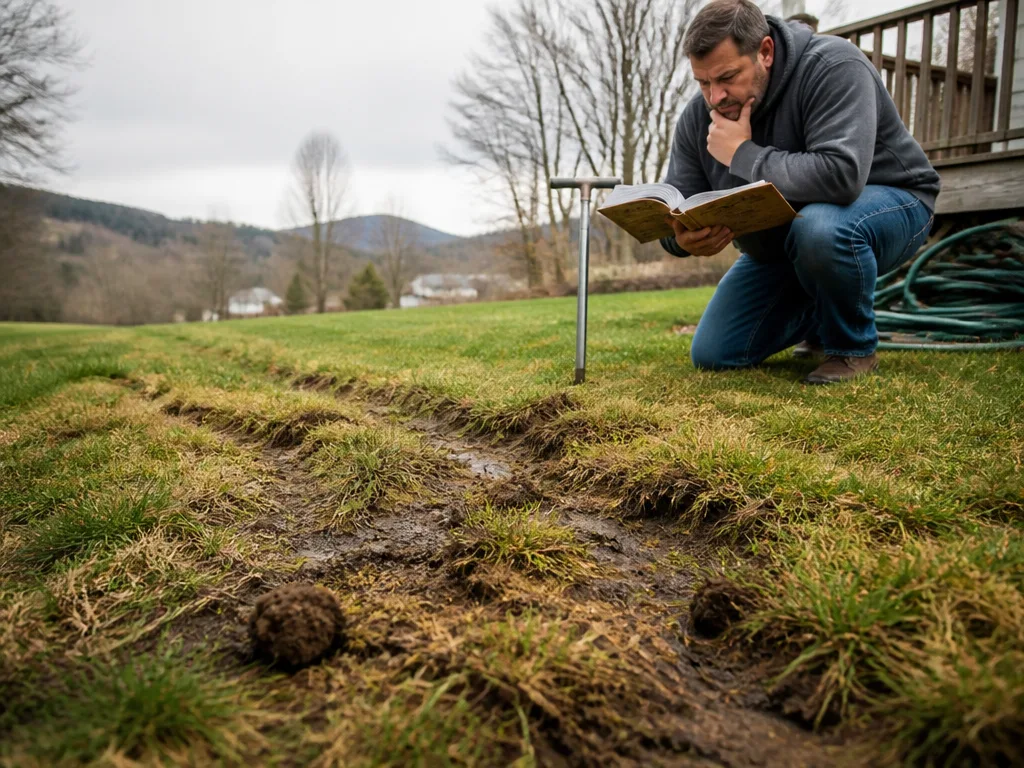
Spring in West Virginia is a time to wake up dormant roots and set the pace for the growing season. Start with a light soil test to gauge pH and nutrient needs. If lime is recommended, apply it in early spring, then wait for rainfall to carry it into the root zone. Aeration can help with compacted soils commonly found in high-traffic areas or clay-rich patches.
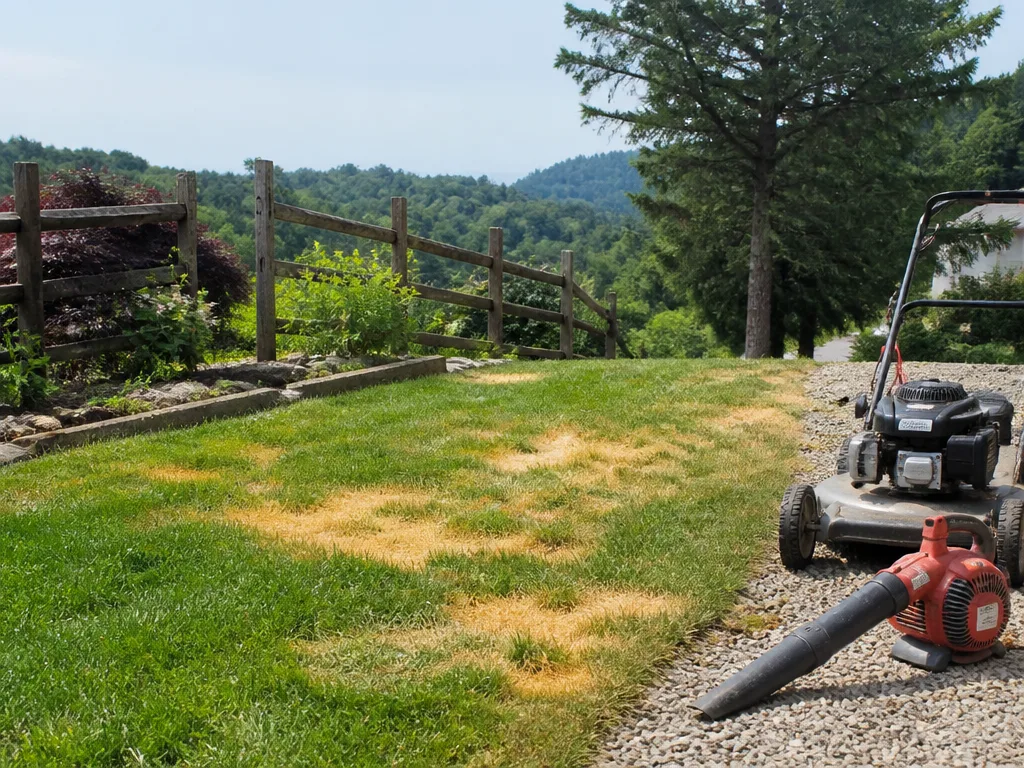
During spring, monitor for early signs of stress after the first heat spikes. A slow-release fertilizer can support steady growth, but avoid heavy applications that push the lawn too fast before heat returns. Our West Virginia crews tailor the feeding to your yard’s condition, not a cookie-cutter schedule.
Summer: protect color and root health
Summers in West Virginia can test turf with heat and humidity. Aim for deep, infrequent watering to encourage deep roots. If you have dry patches, adjust irrigation to deliver a soaking rather than a light mist. Spreading a light, balanced fertilizer in late spring or early summer can help maintain color without encouraging excessive shoot growth that stresses the plant during peak heat.
Shade from trees and soils that stay damp in spots can create microclimates. Our team checks these zones and recommends targeted attention rather than a single blanket program across the whole yard. Consistent mowing at the right height keeps the turf compact and resilient through the heat.
Fall: root building and prep for winter
Fall is about building cold-season strength. As temperatures fall, reduce mowing height gradually and start a fall feeding plan that supports root development and winter hardening. If you use compost or organic amendments, apply them in a way that doesn’t overwhelm the lawn right before the first frosts. A light core aeration in early fall can help the roots breathe as the ground cools.
In West Virginia, leaf management becomes part of the routine. Rake or mulch leaves so the lawn isn’t smothered, but avoid letting heavy leaf layers sit on the grass for extended periods. Our crews coordinate a seasonal calendar that aligns with local weather to keep you on track month by month.
Helpful reminders
- Test soil every 1 to 2 years to track pH and nutrient needs across seasons.
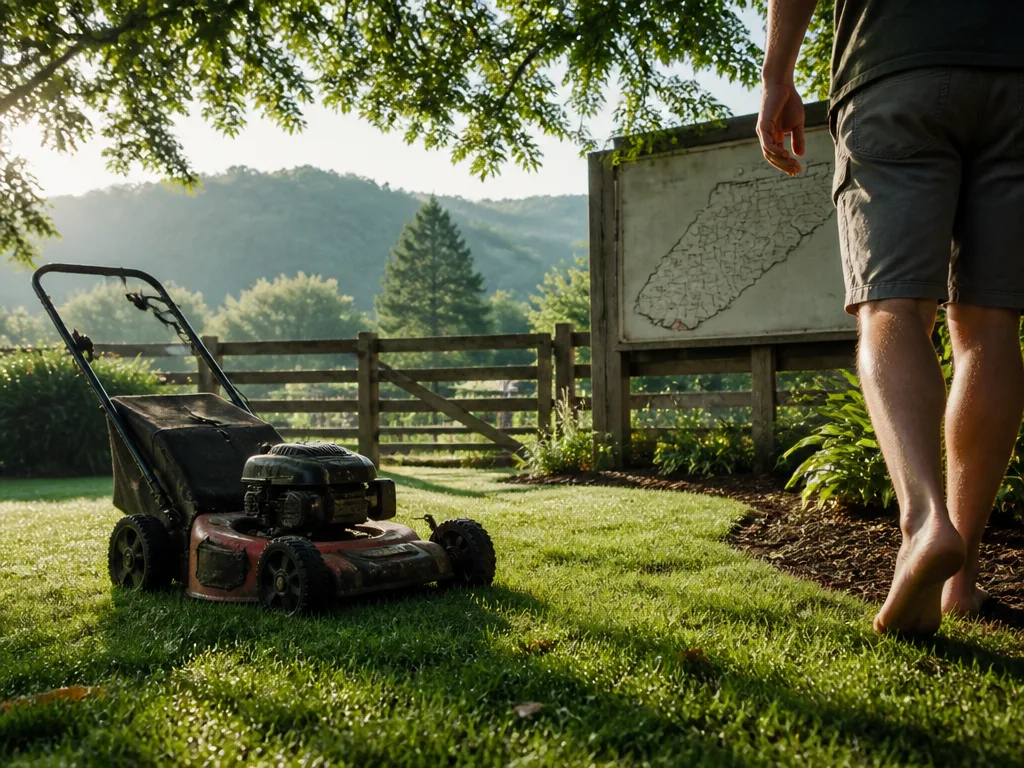
- Adjust mowing height with the season; 2.5 to 3 inches is a common target for many West Virginia lawns, but we tailor this to your turf type.
- Coordinate irrigation with rainfall to prevent overwatering and runoff.