What the warning signs look like
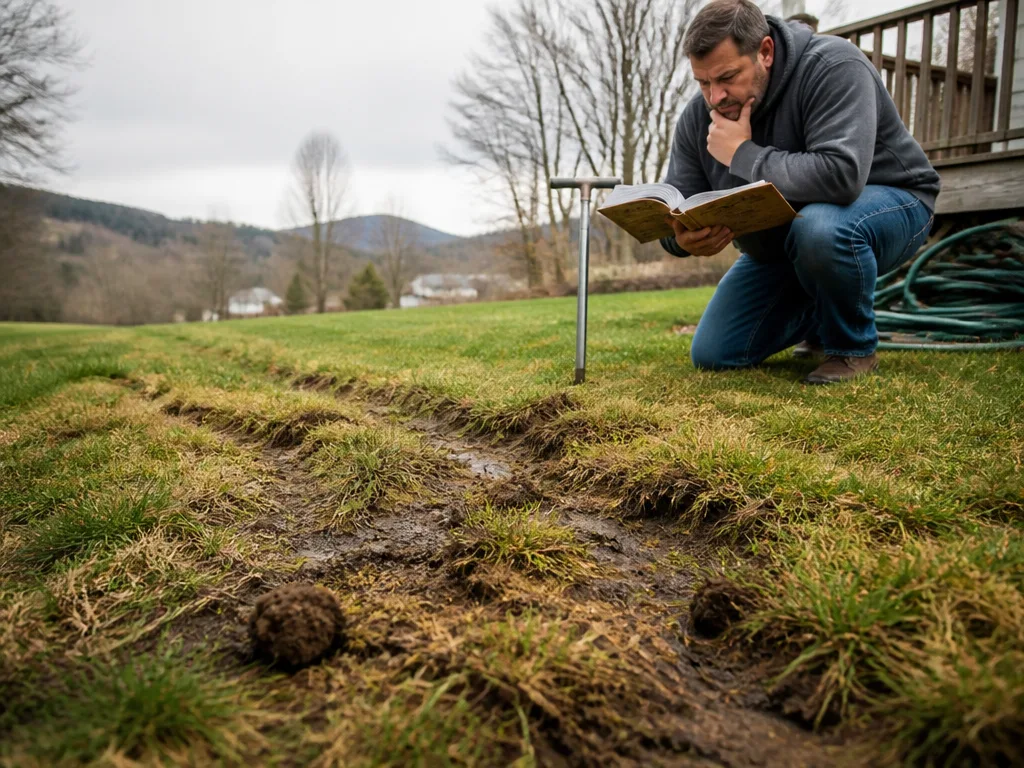
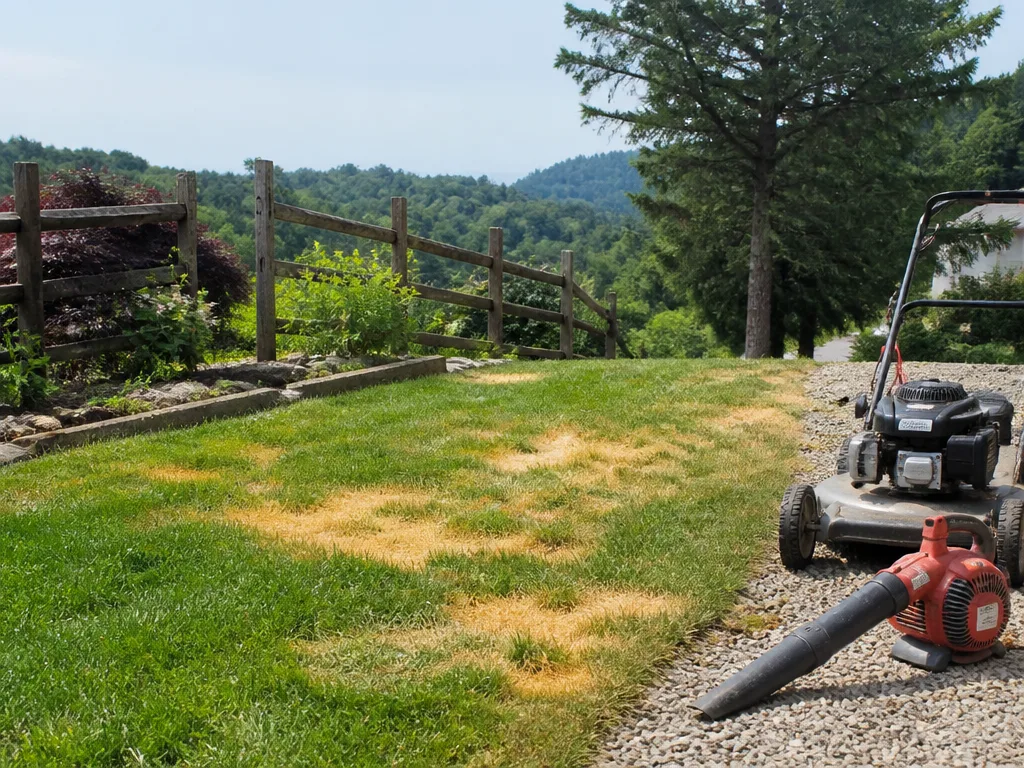
In West Virginia yards, a few yellow strands or irregular brown patches can show up overnight. You might notice grass that loses its luster after a dry spell, or areas that stay pale while the rest of the lawn stays green. These symptoms aren’t random; they point to underlying problems with soil, moisture, or turf health. Our West Virginia crews see this pattern often in homes that have clay soils, compacted ground, or shade from mature trees.
Another clue is uneven growth. Some areas grow a bit taller while others lag behind, creating a bald or patchy look. If you see footprint marks that don’t recover after a couple of weeks, that can mean compaction or that the root zone isn’t getting enough air. When these signs show up across multiple zones of a yard, it’s time to take a closer look with a lawn care specialist.
What causes the signs in a West Virginia climate
West Virginia’s weather swings can stress turf quickly. Wet springs followed by dry spells lead to shallow roots and poor drainage. Chalky or compacted soils can trap moisture and heat, tiring the grass. Our crews in every West Virginia metro see these patterns year after year: heavy rainfall plus clay soil, spots of sun and shade, and soils that stay wet in spring and dry out fast in late summer.
First steps to take now
From the panhandle to the southern counties, the same practical steps apply. Begin with a simple soil test to understand pH and nutrient levels. If the test shows a need for lime or other amendments, apply per the label and plan a follow-up test in 6 to 12 weeks. Improve soil structure by aerating the yard, especially if you notice compacted footprints or standing water after rains. Our team can guide you through a light, seasonally appropriate program that focuses on root growth and recovery.
What a lawn care specialist will do next
Our lawn care specialists start with a walk-through to map problem areas and note sun exposure, drainage, and foot traffic. They’ll recommend targeted steps, adjusting irrigation, lime where needed, and a conservative feeding plan that supports green growth without pushing the grass to grow too fast. In West Virginia, timing matters: early spring and early fall are prime windows for encouraging strong roots and seasonal color without stressing the turf.
Keep an eye on weather forecasts. If heavy rain is ahead, we coordinate with your schedule to avoid saturating the soil right after a fertilization, which helps prevent runoff and nutrient loss. The goal is steady improvement that you can see in the color and density of the lawn over a few months, not a quick fix that fades with the next rainstorm.